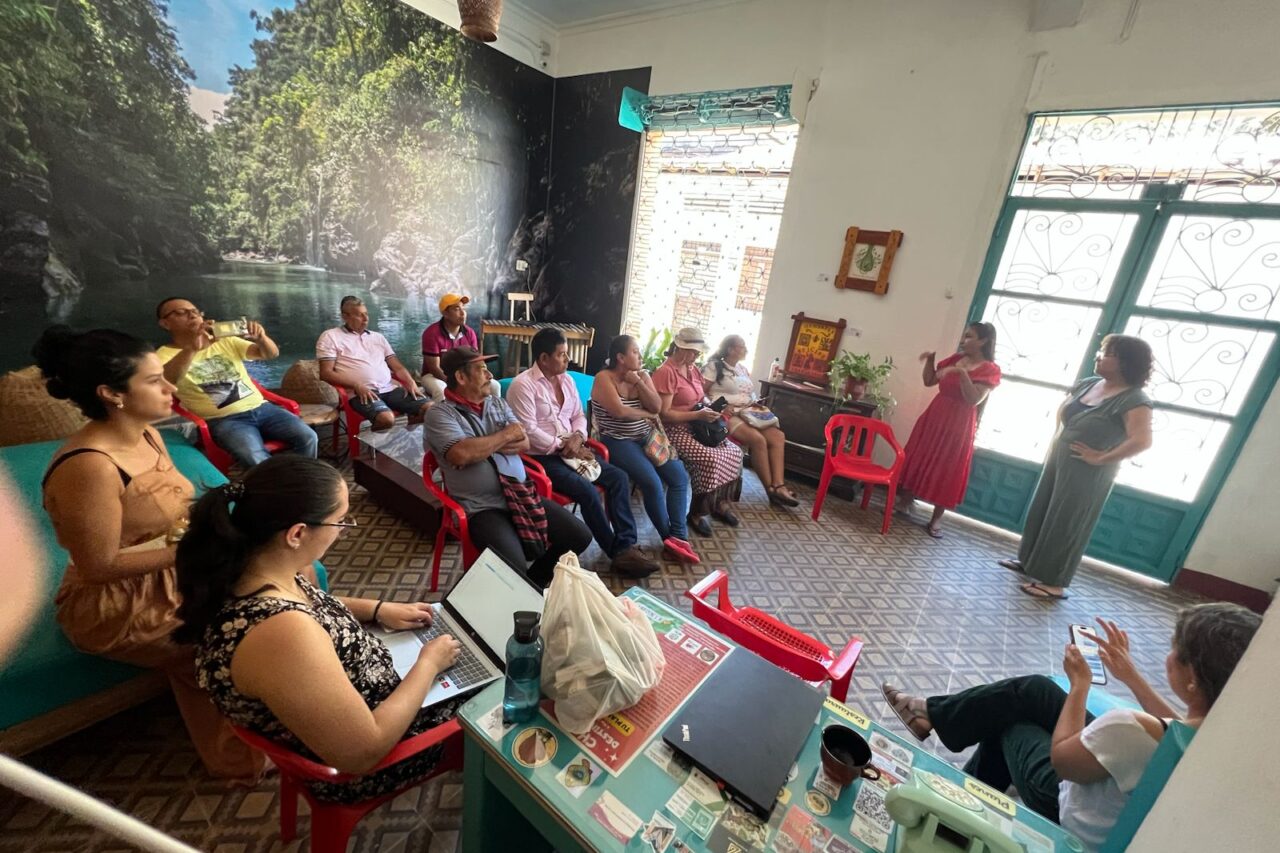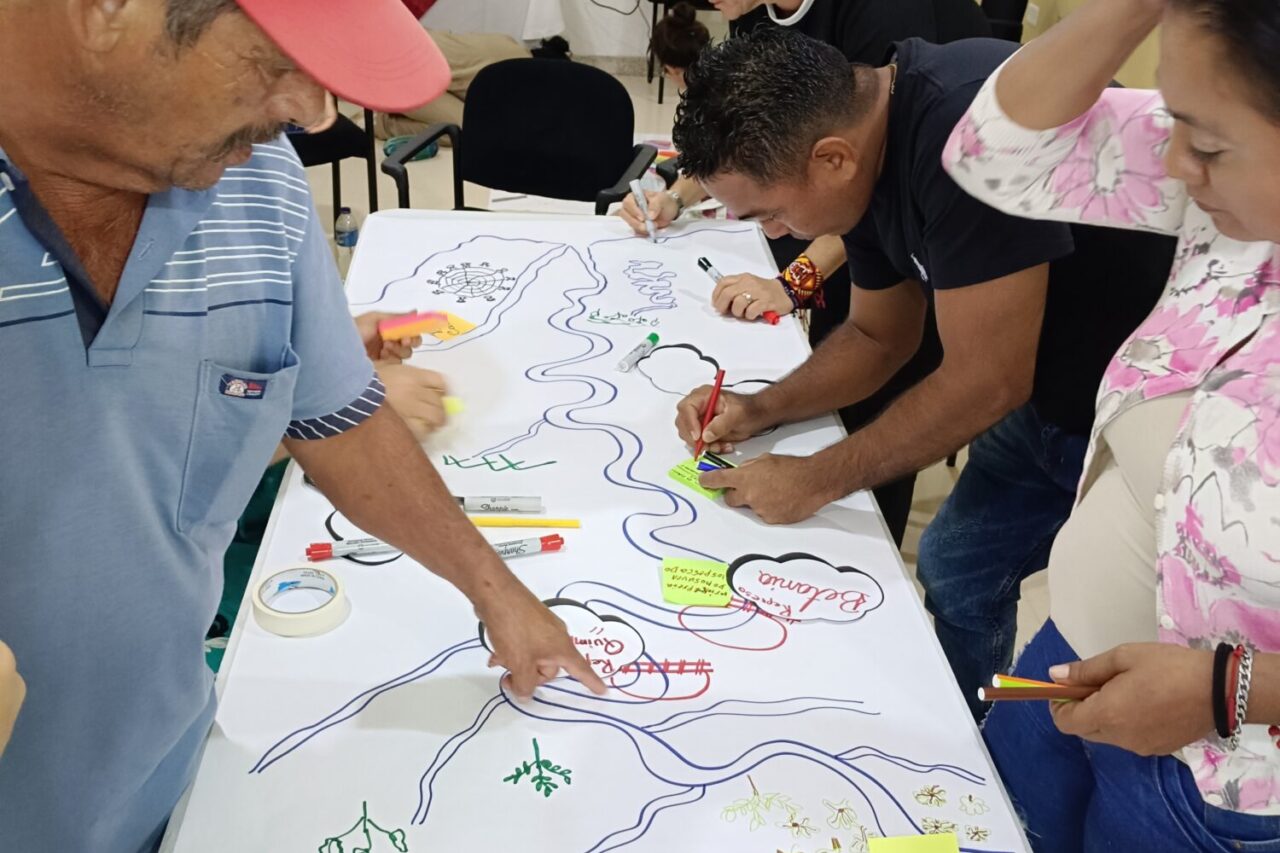
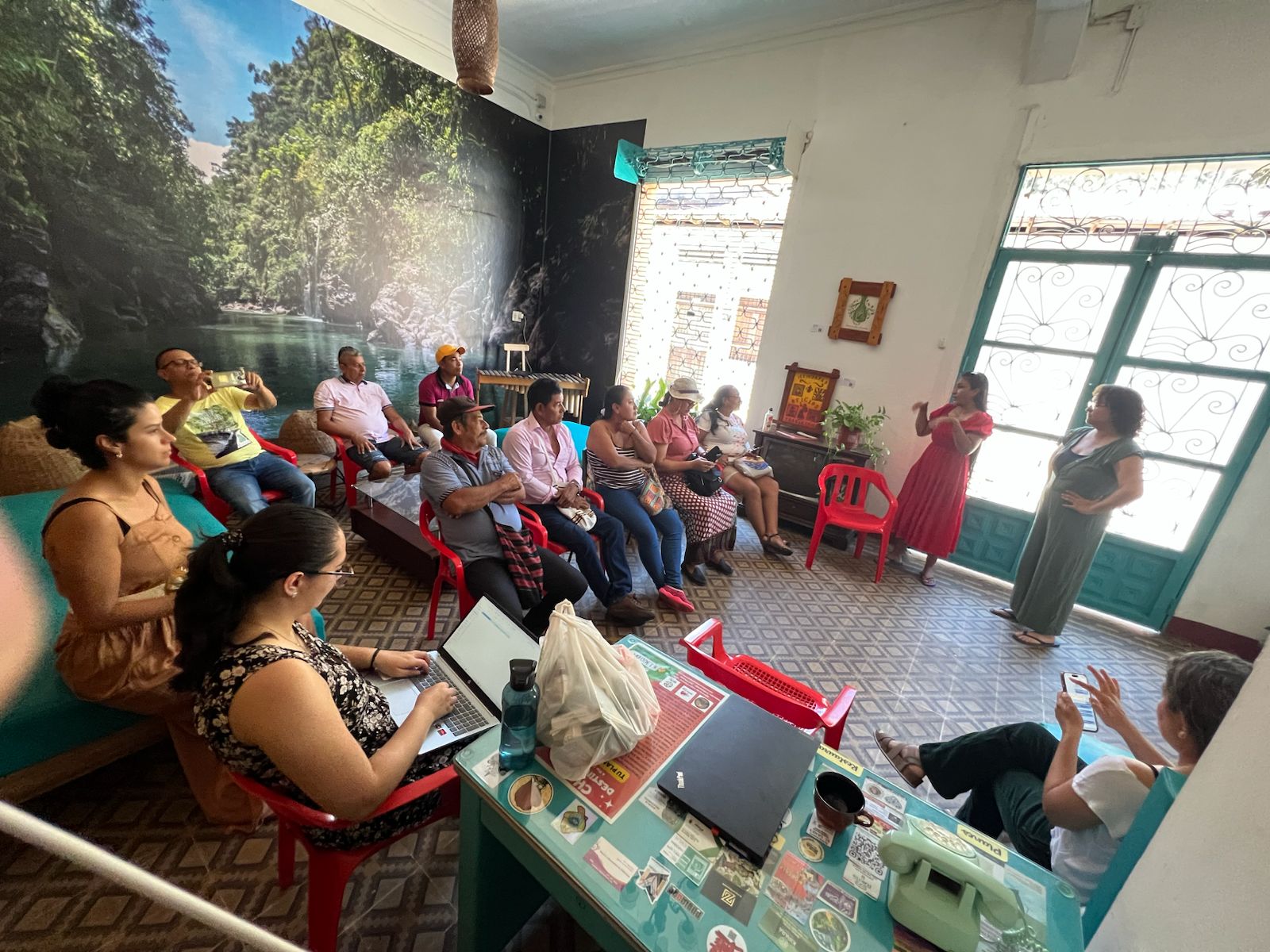
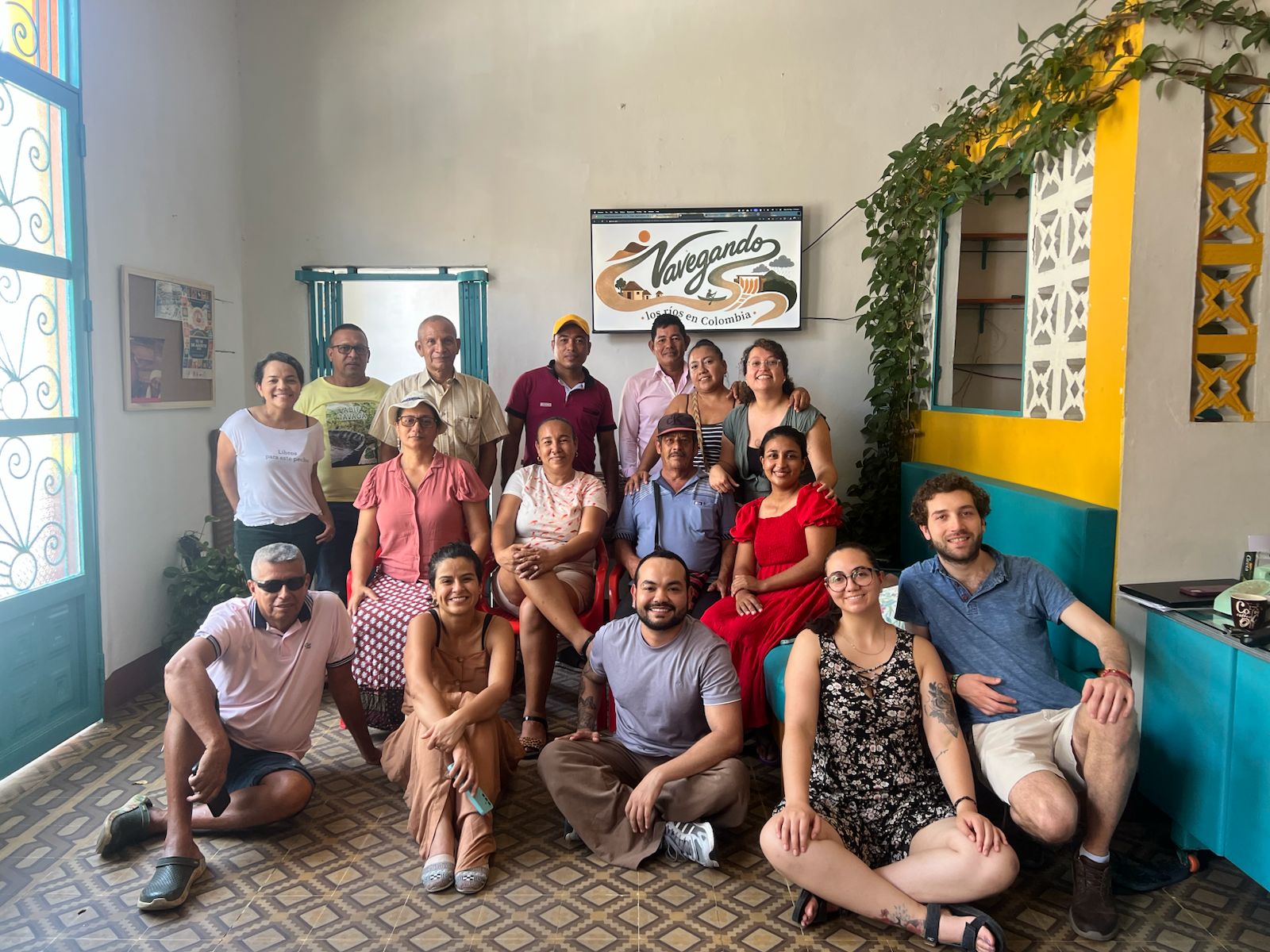
Between May 18 and 21, 2026, nine riverine leaders from different parts of the Magdalena–Cauca and Sinú basins in Colombia met again with seven members of the Navigating Colombian Rivers with WhatsApp team for the second Transdisciplinary Editorial Laboratory (TELab).
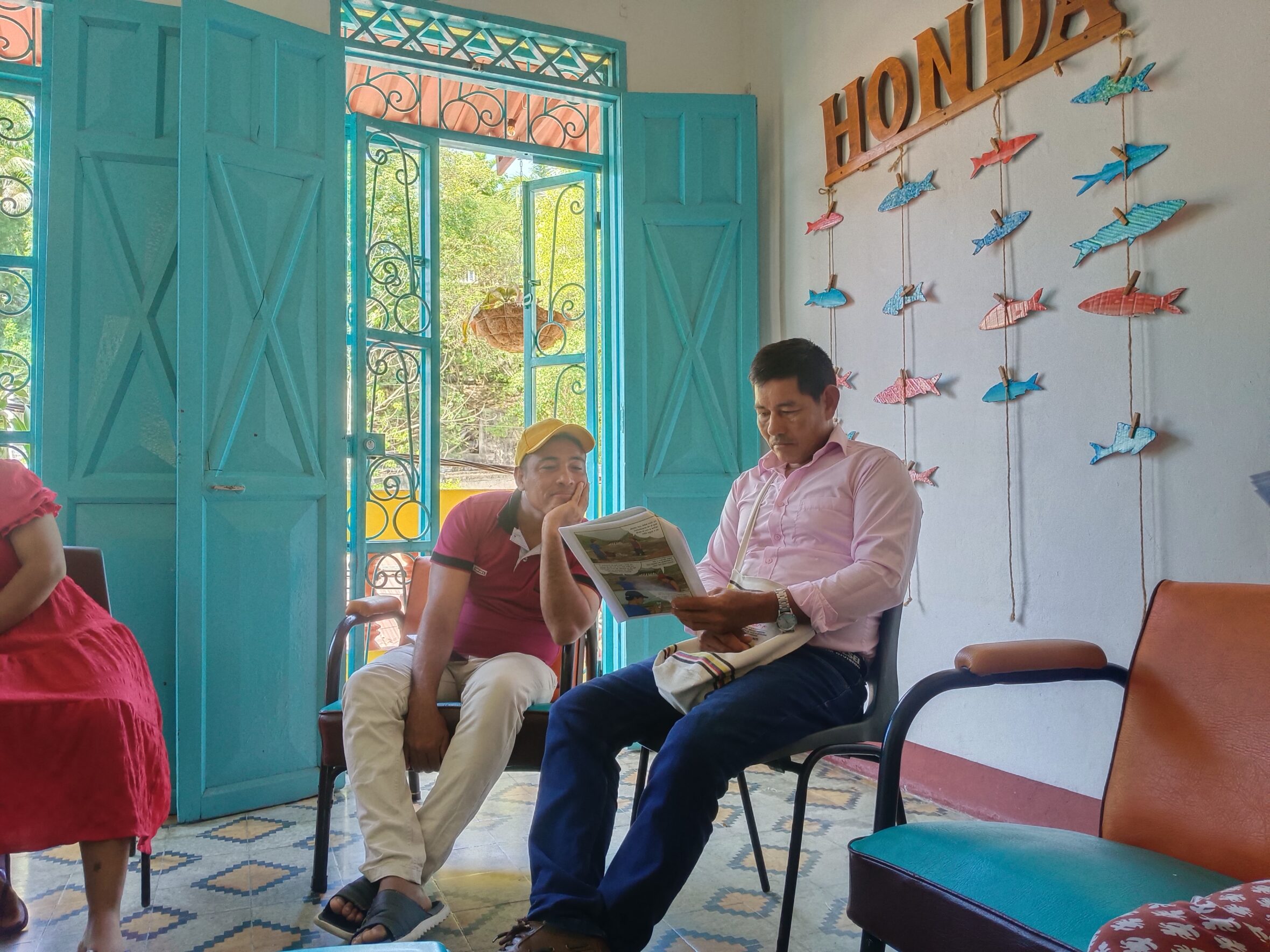
The meeting took place in the riverine town of Honda, Tolima. At this point, the first multimedia pieces had already been completed and several others were already in production. The first two animated videos and two illustrated comics were shared with the participating leaders to explore how clear and accessible they found them, and whether they felt represented in these stories. It was also important to make sure the stories were grounded in the experiences and particularities of the different territories, while continuing to refine the dialogue between scientific research and riverine knowledge. Their feedback helped assess the first pieces, guide those still in production, and shape others that had yet to be developed.
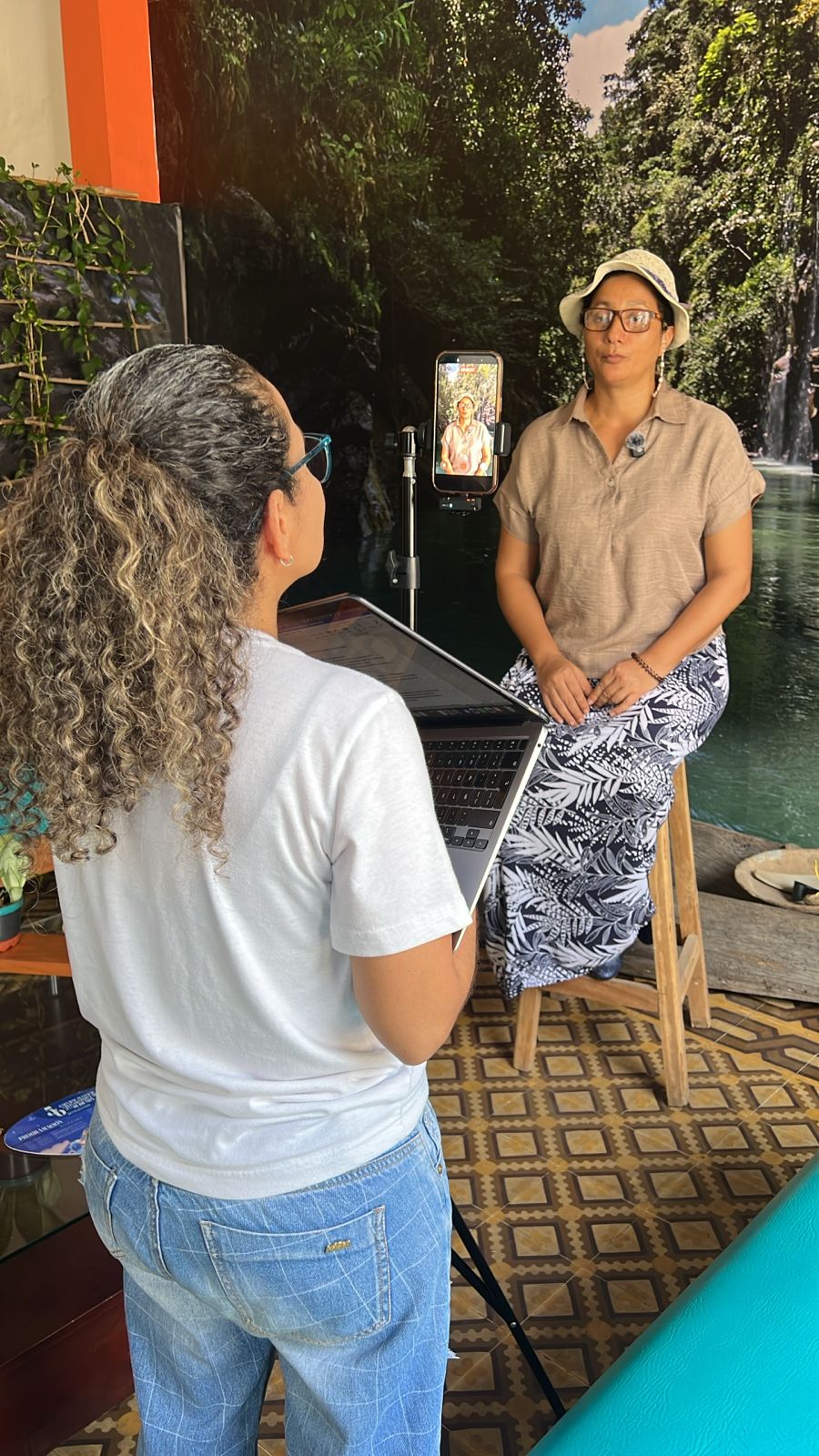
 In some cases, this feedback transformed central aspects of the stories. The first script for an animated video about the species Pimelodus grosskopfii, for example, was reviewed with Alirio Perdomo, a fisher leader with extensive knowledge of this species and of the transformations of the Upper Magdalena. His observations helped refine the story, adjust details about the fish, and complete the development of the character. It was Alirio who ultimately gave him his name: Capaz Guerrero. Other pieces emerged directly from conversations during the meeting. For instance, the video piece Voices of the River brings together reflections and testimonies from riverine leaders about the conflicts affecting their territories and the futures they imagine for them.
Honda was particularly meaningful as the setting for this second workshop. Located at a transition point between the Upper and Middle Magdalena and shaped by a long history of fishing, navigation, and river trade, the city made it possible to connect the workshop discussions with the history of the river itself. At Puerto Caracolí, conversations about former ports, fishing practices, navigation, and changes in the Magdalena’s cycles quickly led to comparisons with what is happening along other stretches of the river and in the Sogamoso, Cauca, and Sinú basins.
From co-creating stories to its dissemination
The second TELab also opened a new stage of the project: thinking about how to share and circulate the stories once they were finished. Participants discussed their trusted networks, organizations, WhatsApp groups, community radio stations, schools, and other spaces where the content could spark new conversations in the territories.
The aim was to develop a dissemination strategy grounded in the conditions and possibilities of each territory. Each leader knows the audiences of their organizations, their potential alliances, and the forms of communication that work in their own contexts, whether in riverine communities, towns, or cities. Part of the TELab was therefore dedicated to collecting insights on how and where the content could circulate, taking the particularities of each place into account.
This conversation was accompanied by a reflection on care and safety. Drawing on the Escazú Agreement, participants discussed the risks faced by environmental and riverine leaders and the importance of ensuring that circulating the content does not create new forms of exposure. Sharing also means deciding where, with whom, and for what purpose to do so.
Beyond the rich discussions on hydropower and territorial transformations, the meeting also helped strengthen a network that had begun to consolidate during the first TELab in November 2025. Conversations about young people, schools, and the transmission of knowledge returned to a question that had already emerged in Barrancabermeja through the idea of the “new ancestors”: how riverine knowledge and experiences can continue to circulate across generations.
The eight multimedia pieces developed through this process —animated videos, comics, and micro-podcasts— are now available in the Navigating Colombian Rivers with WhatsApp repository.
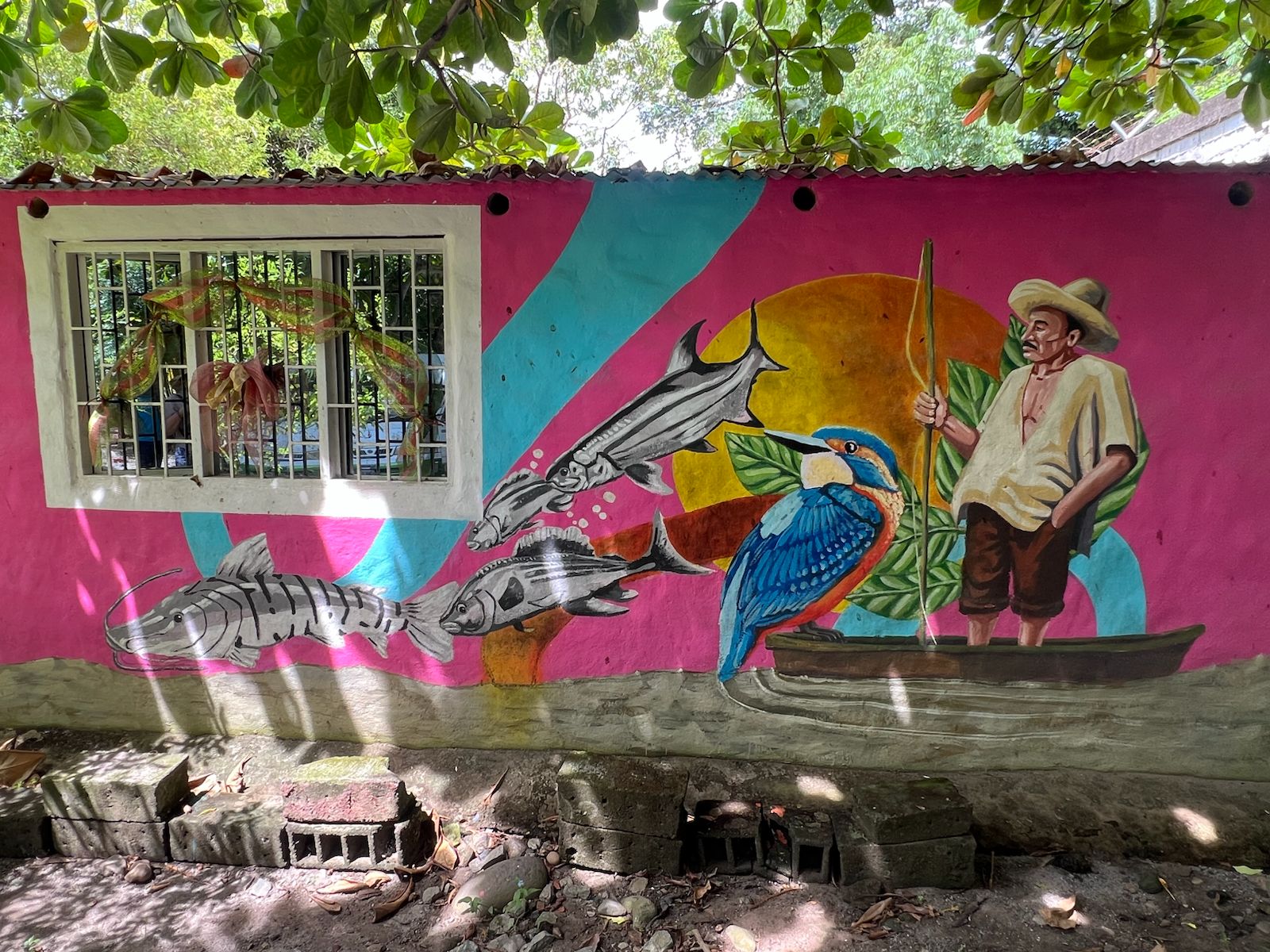
The eight multimedia pieces developed through this process —animated videos, comics, and micro-podcasts— are now available in the Navigating Colombian Rivers with WhatsApp repository.
Explore the project content:
Project coordination: Laura Betancur Alarcón
Principal Investigator: Prof. Dr. Tobias Krüger
Co-Principal Investigator: Prof. Dr. Rossella Alba
Community partner: Jully Mora (fishing leader from the Lower Sogamoso River Basin).
Academic advisors: Camila Jiménez Sáenz and Laura Pulgarín Morales (Pontificia Universidad Javeriana); Prof. Dr. Denisse Roca-Servat (INER, Universidad de Antioquia).
Communication and creative storytelling specialists: Prof. Dr. Ginna Morelo and Mg. Daniel Morelo, EntreRíos Museo.
Research assistants: Matthias Zarama Giedion (HU Berlin) and Kimberly Alejandra Valencia Cardona (INER, Universidad de Antioquia).
Partner institutions and organizations:
- IRI THESys, Humboldt-Universität zu Berlin (Germany)
- Helmholtz Institute for Functional Marine Biodiversity (HIFMB) (Germany)
- Institute of Regional Studies (INER), Universidad de Antioquia (Colombia)
- EntreRíos Museo (Colombia)
- Fishing collectives and associations in the Magdalena–Cauca basin
This project is funded by the Volkswagen Foundation through its ‘Additional Funding for Science Communication’ program.