In the Magdalena–Cauca basin, rivers are ecosystems, living territories, sources of food, and infrastructures for energy generation. Different ways of knowing and understanding rivers coexist within this basin, but they do not circulate or receive recognition equally. Riverine knowledge and experiences concerning river cycles, transformations, and the impacts of hydropower are often marginalized, while many scientific findings remain inaccessible to the people who experience these transformations most directly.
Navigating Colombian Rivers with WhatsApp is a knowledge exchange and science communication project that brings together academic researchers, riverine leaders, and communication professionals to foster dialogue between scientific and riverine knowledge. Through a Transdisciplinary Editorial Lab (TELab), we co-create digital stories about the water–energy–food nexus, bringing complex interdisciplinary research into conversation with riverine knowledge, experiences, and questions.
The resulting animated videos, comics, and micro-podcasts are designed to circulate through WhatsApp, using accessible language and engaging with the concerns and debates of riverine communities. The project seeks to promote horizontal dialogue between plural ways of knowing, creating encounters between knowledge built through fishing, navigation, and everyday riverine life and research on energy systems, water, and climate conducted within the Water Security for Whom? project.
This repository brings together the materials created throughout this co-creation process.
Project coordination: Laura Betancur Alarcón
Principal Investigator: Prof. Dr. Tobias Krüger
Co-Principal Investigator: Prof. Dr. Rossella Alba
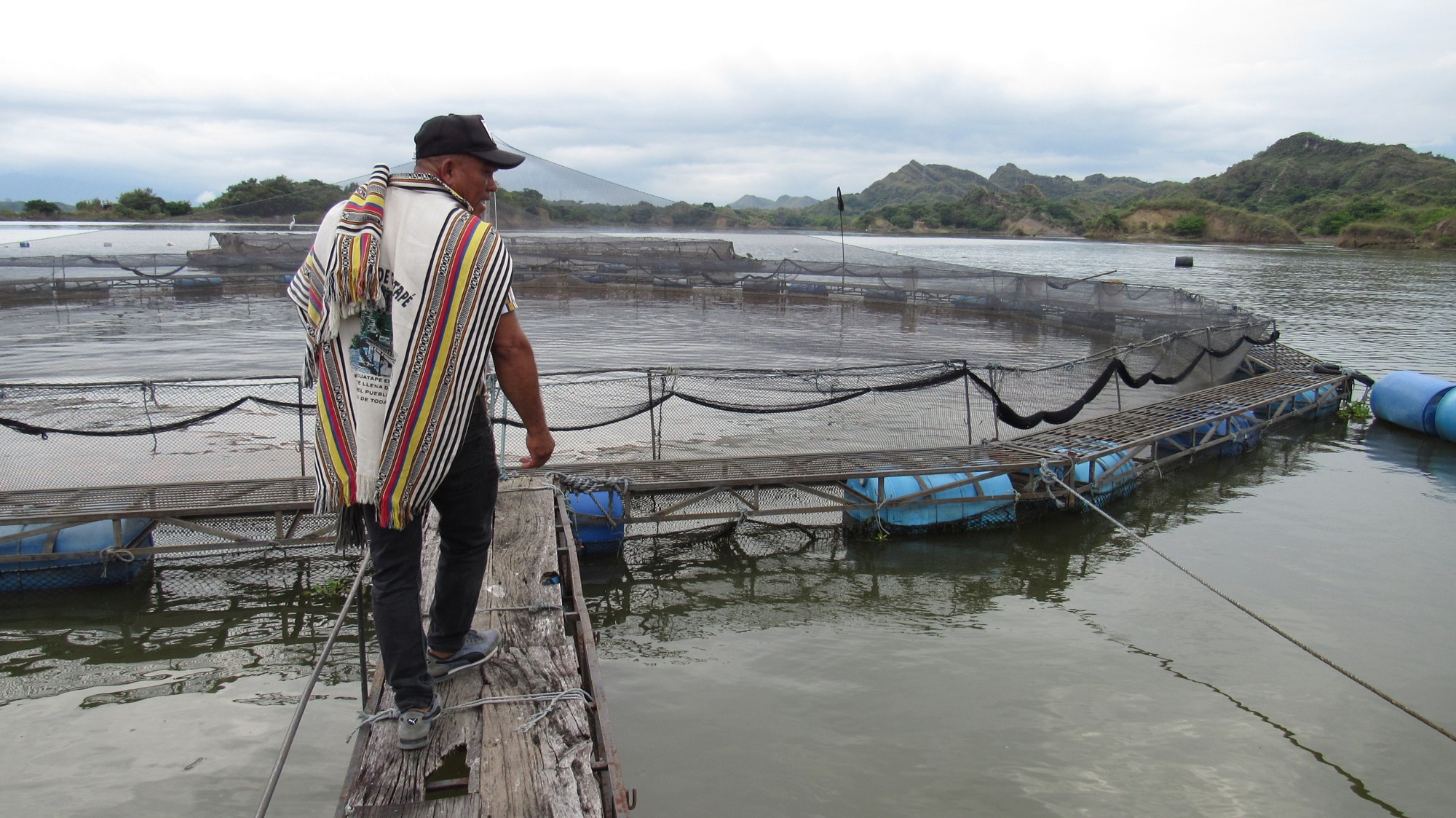
Community partner: Jully Mora (fishing leader from the Lower Sogamoso River Basin).
Academic advisors: Camila Jiménez Sáenz and Laura Pulgarín Morales (Pontificia Universidad Javeriana); Prof. Dr. Denisse Roca-Servat (INER, Universidad de Antioquia).
Communication and creative storytelling specialists: Prof. Dr. Ginna Morelo and Mg. Daniel Morelo, EntreRíos Museo.
Research assistants: Matthias Zarama Giedion (HU Berlin) and Kimberly Alejandra Valencia Cardona (INER, Universidad de Antioquia).
Partner institutions and organizations:
- IRI THESys, Humboldt-Universität zu Berlin (Germany)
- Helmholtz Institute for Functional Marine Biodiversity (HIFMB) (Germany)
- Institute of Regional Studies (INER), Universidad de Antioquia (Colombia)
- EntreRíos Museo (Colombia)
- Fishing collectives and associations in the Magdalena–Cauca basin
This project is funded by the Volkswagen Foundation through its ‘Additional Funding for Science Communication’ program.
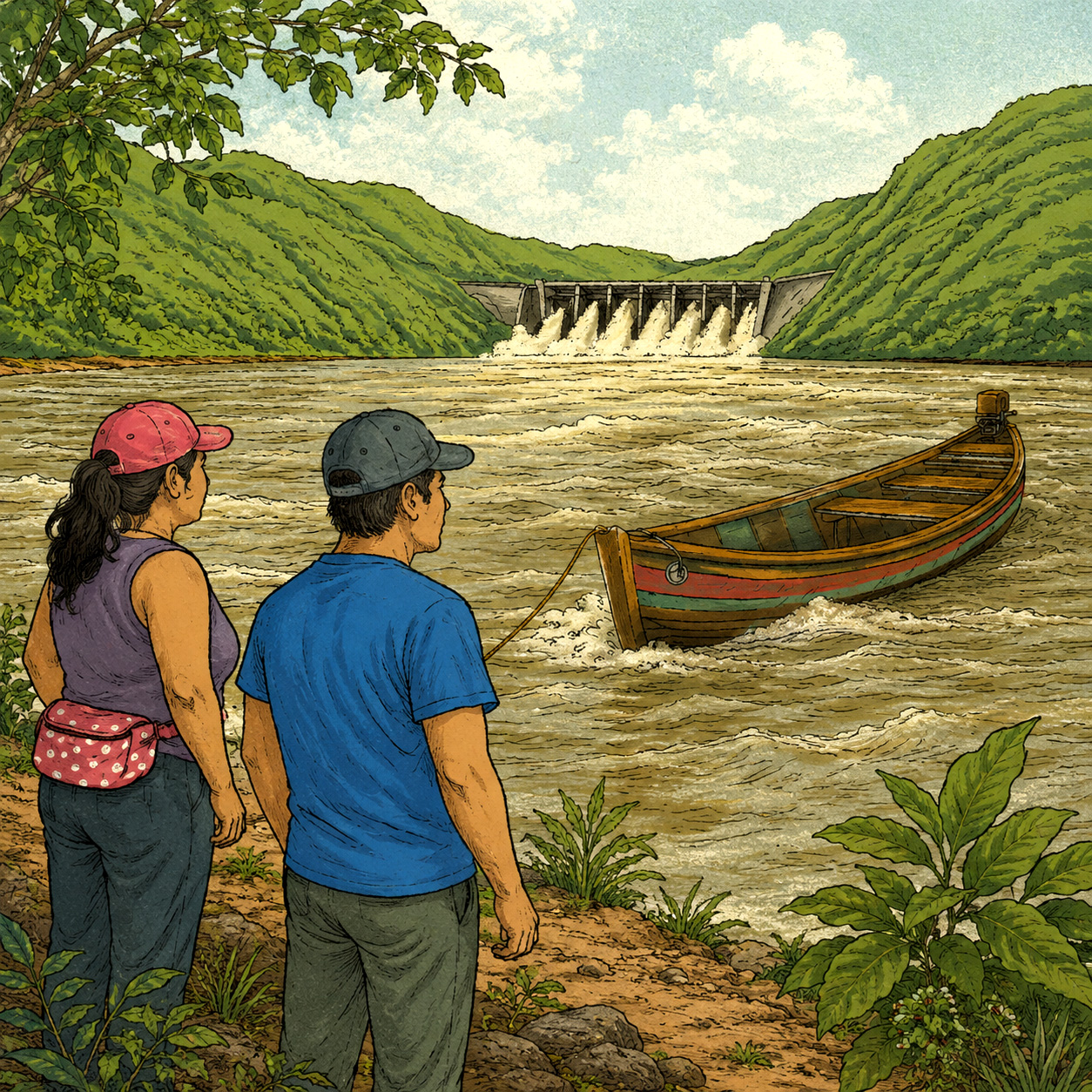
The Rivers That Changed. Part 1
Fisherfolk living along the Sogamoso, Magdalena, and Sinú rivers share their experiences. Following the construction of large dams, they have found it increasingly difficult to read and interpret the rhythms and changes of their rivers. In this story, riverine leaders bring their knowledge together in an effort to understand the transformations of their territories.
About the process
This was the first story co-created by the members of the project and served as a pilot for defining our way of working collectively. Starting from an initial script developed together with the communication team at EntreRíos Museo, we discussed characters, scenes, and ways of connecting experiences from different river basins across the country. Our community researcher played a central role in grounding the story in the Sogamoso River, incorporating local ways of speaking, foods, gestures, and situations from everyday life. The process also helped us recognize the need for a final collective review before each piece moved into production.
Sources and materials
- Betancur-Alarcón, L. et al. (2026). Electrified rhythms: How hydropower infrastructure transforms hydrosocial relations of riverine communities in the Lower Sogamoso River, Colombia. People and Nature.
- Experiences and contributions shared by riverine leaders participating in the TELab.
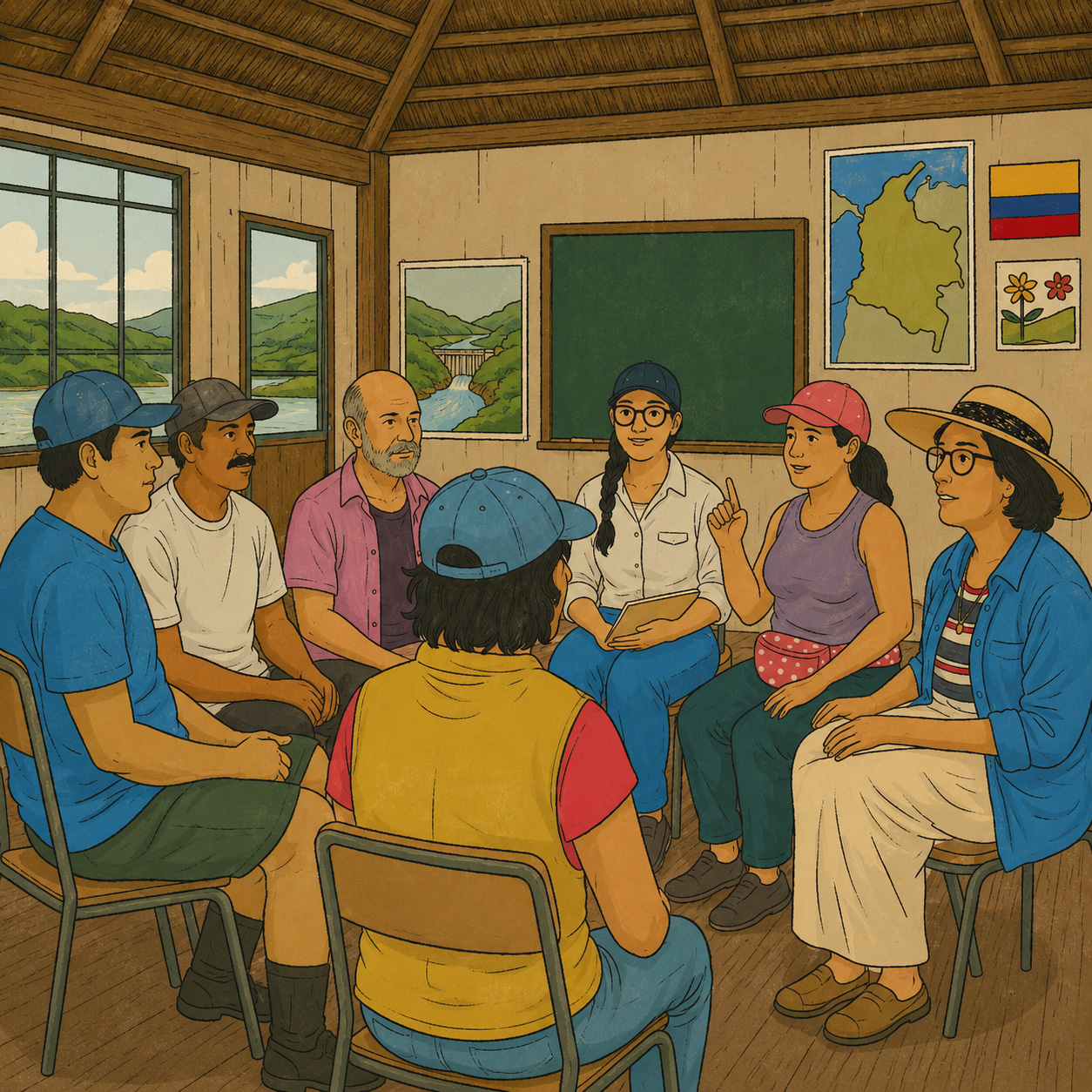
The Rivers That Changed. Part 2
Researchers and fishers meet again to share the findings of their research. Together, they examine how climate and the energy market shape river levels, and why understanding these interactions becomes especially important during droughts such as the 2015–2016 El Niño event.
About the process
One of the main discussions during the review of the comic concerned how to represent the relationship between communities and academia. The team wanted to avoid a narrative structure in which researchers appeared to arrive in the territory with ready-made answers. In the original research, it was the residents themselves who pointed to critical events —such as sudden drops in river levels— that would later guide part of the academic analysis. This conversation led us to revise the script to make visible how knowledge was built through successive encounters and through different questions, observations, and ways of knowing the river.
Sources and materials
- Betancur-Alarcón, L. et al. (2026). Electrified rhythms: How hydropower infrastructure transforms hydrosocial relations of riverine communities in the Lower Sogamoso River, Colombia. People and Nature.
- Experiences and contributions shared by riverine leaders participating in the TELab.
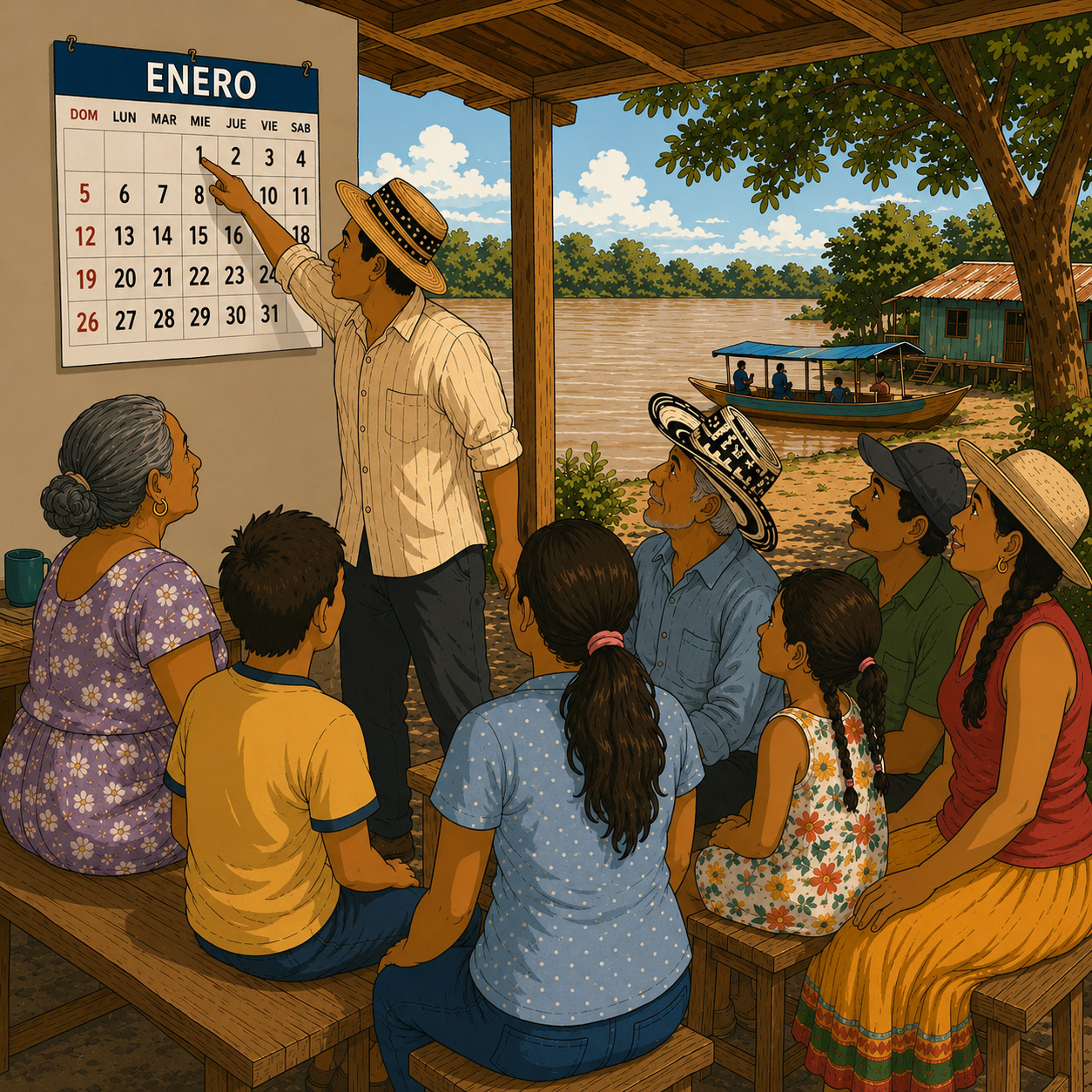
For generations, riverine communities along the Magdalena learned to read the river by observing the rain, clouds, birds, and exposed riverbanks. This video explores what happens to this knowledge when a river is dammed and rainfall is no longer enough to anticipate changes in its flow.
About the process
This story drew on two important sources: fishers’ oral traditions about how they used rainfall to anticipate the behavior of the river, and hydrological analyses of how river flows change in the presence of large dams. In developing the script, we sought to connect these two sources of knowledge without reducing the discussion to a purely hydrological perspective. The process brought riverine experiences into dialogue with research on precipitation, river flow, and hydropower, and centered the piece around one question: what happens to ways of reading the river when damming alters the relationship between rainfall and river levels?
Sources and materials
- Research and doctoral thesis by Camila Jiménez Sáenz.
- Knowledge and experiences shared by riverine leaders during the TELabs.
Flooding on the Sinú River
Following the heavy rains of February 2026, the Sinú River overflowed downstream of the Urrá Dam. Camila Jiménez Sáenz, a hydrologist, and Jorge Herrera, a local resident and riverine leader, discuss the role of the hydropower dam in controlling the river and why these floods are so difficult to predict.
About the process
Unlike the other narratives, this piece emerged in response to an event that was unfolding while the project was underway. The floods of February 2026 in northern Colombia raised questions both within and beyond the Sinú region about what had happened and about the information available to make sense of it. During and after the second TELab, we decided to develop the podcast as a conversation between hydrological knowledge and territorial experience rather than seeking a single explanation for the event. The process highlighted both the particularities of the Sinú and a broader problem: the gaps in climate and hydrological information available for many Colombian rivers.
Sources and materials
- Research and doctoral thesis by Camila Jiménez Sáenz.
- Research and doctoral thesis by Ginna Morelo.
- Experience and knowledge shared by Jorge Herrera and riverine organizations from the Lower Sinú.
- Materials and records documenting the Sinú floods provided by EntreRíos Museo.
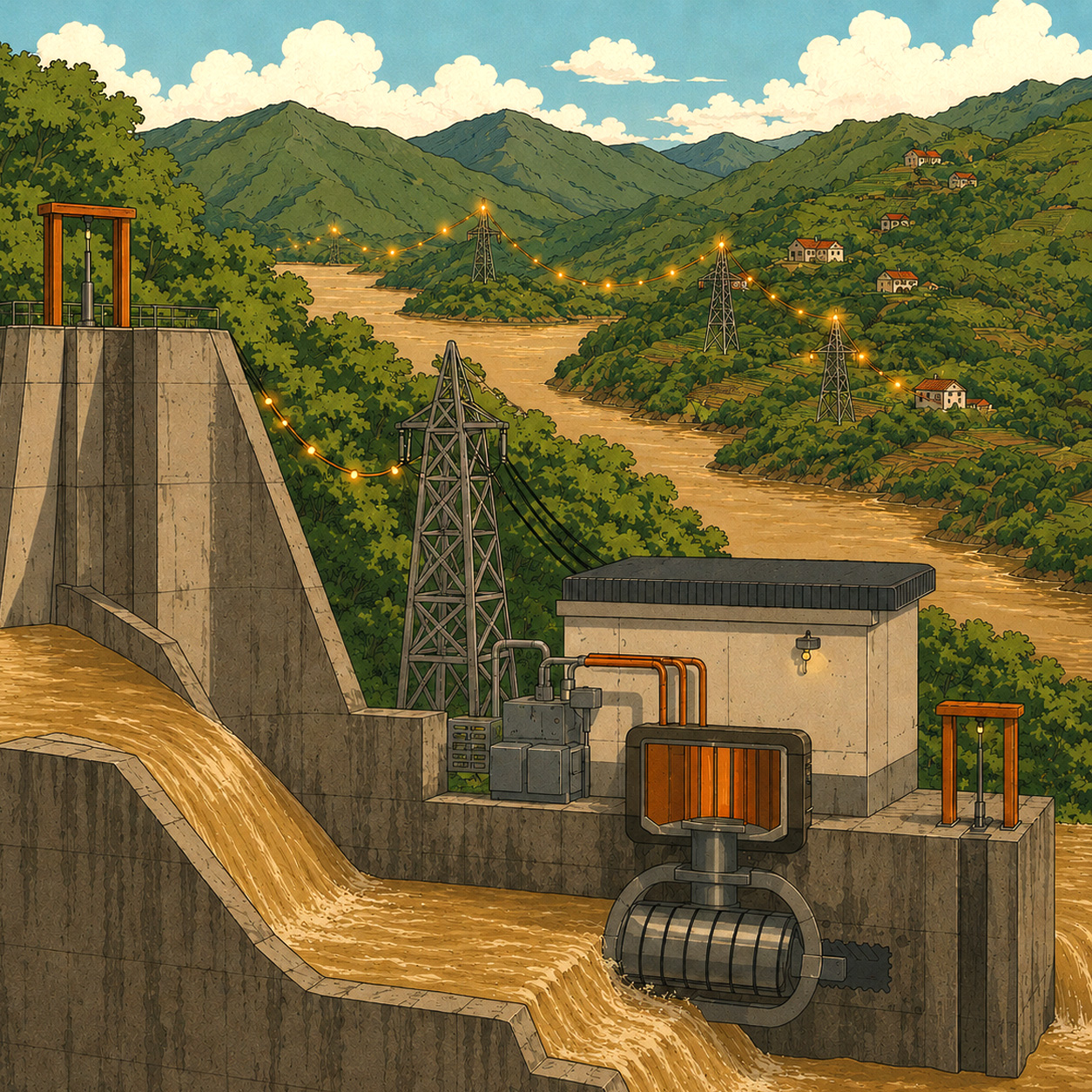
When Rivers Enter the Market
When a river is regulated by hydropower infrastructure, its water level does not depend on climate alone. This video explores how the energy market, decisions made by companies, and the electricity we use are connected to changes in the river and to the lives of riverine communities.
About the process
The challenge of this narrative was to transform a highly technical subject into an understandable story without reducing it to an explanation of how the electricity market works. During the review process, the team questioned whether the first script might come across as an institutional communication piece from the energy sector and proposed changing the point of view. We also explored visual devices —networks, connections, and even the metaphor of a spiderweb— to show the relationships between water and energy that usually remain invisible. The process ultimately shifted the focus away from how the market operates and toward the connections between economic decisions, energy, rivers, species, and territories.
Sources and materials
- Pulgarín-Morales, L. & Krueger, T. (2025). ENSO effects on hydropower and climate adaptation strategies in four Colombian case studies. Journal of Hydrology: Regional Studies.
- Doctoral thesis by Laura Pulgarín-Morales.
- Discussions and materials produced by the Water Security for Whom? team.
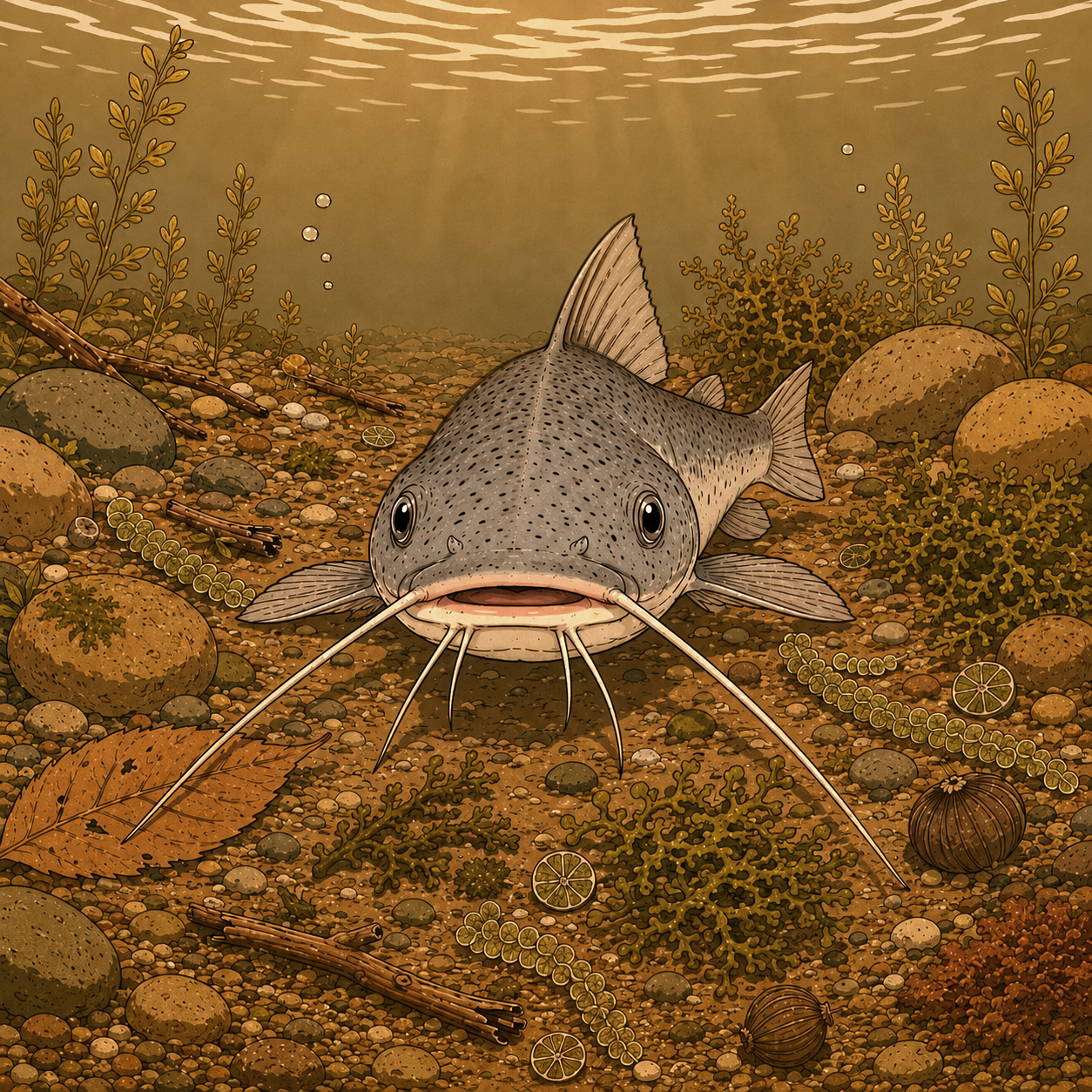
Capaz Guerrero: The Fish Living Between Dams
Meet Capaz Guerrero, a fish from the Magdalena River who tells us how his life —and even his body and habits— changed after the construction of the Betania Dam in 1987 and El Quimbo Dam in 2015, in the department of Huila. Alongside him, fishers have also had to transform their fishing practices within the small stretch of river that remains between the two dams.
About the process
How can we tell the story of a river’s transformations from the perspective of a fish? This question gave rise to Capaz Guerrero. The story was developed from Laura Betancur Alarcón’s ethnographic research, reference photographs, and records contributed by fishers from the Upper Magdalena. One of the challenges was to avoid presenting the effects of Betania and El Quimbo as if they were the same, while recognizing the particularities of each dam and territory. A fisher with extensive knowledge of these transformations reviewed both the script and the visual concept. His contributions also gave rise to the character’s final name: “Capaz Guerrero.”
Sources and materials
- Laura Betancur Alarcón’s doctoral ethnographic research with fishers in the Upper Magdalena.
- Céspedes Sanabria, I. R. (2023). Estado del conocimiento de la especie Pimelodus grosskopfii Steindachner, 1879 y su correlación ambiental con las comunidades ribereñas en la cuenca alta del río Magdalena.
- Cala, P., Pérez, C. & Rodríguez, I. (1996). Aspectos bioecológicos de la población de capaz, Pimelodus grosskopfii, en el embalse de Betania y parte alta del río Magdalena, Colombia.
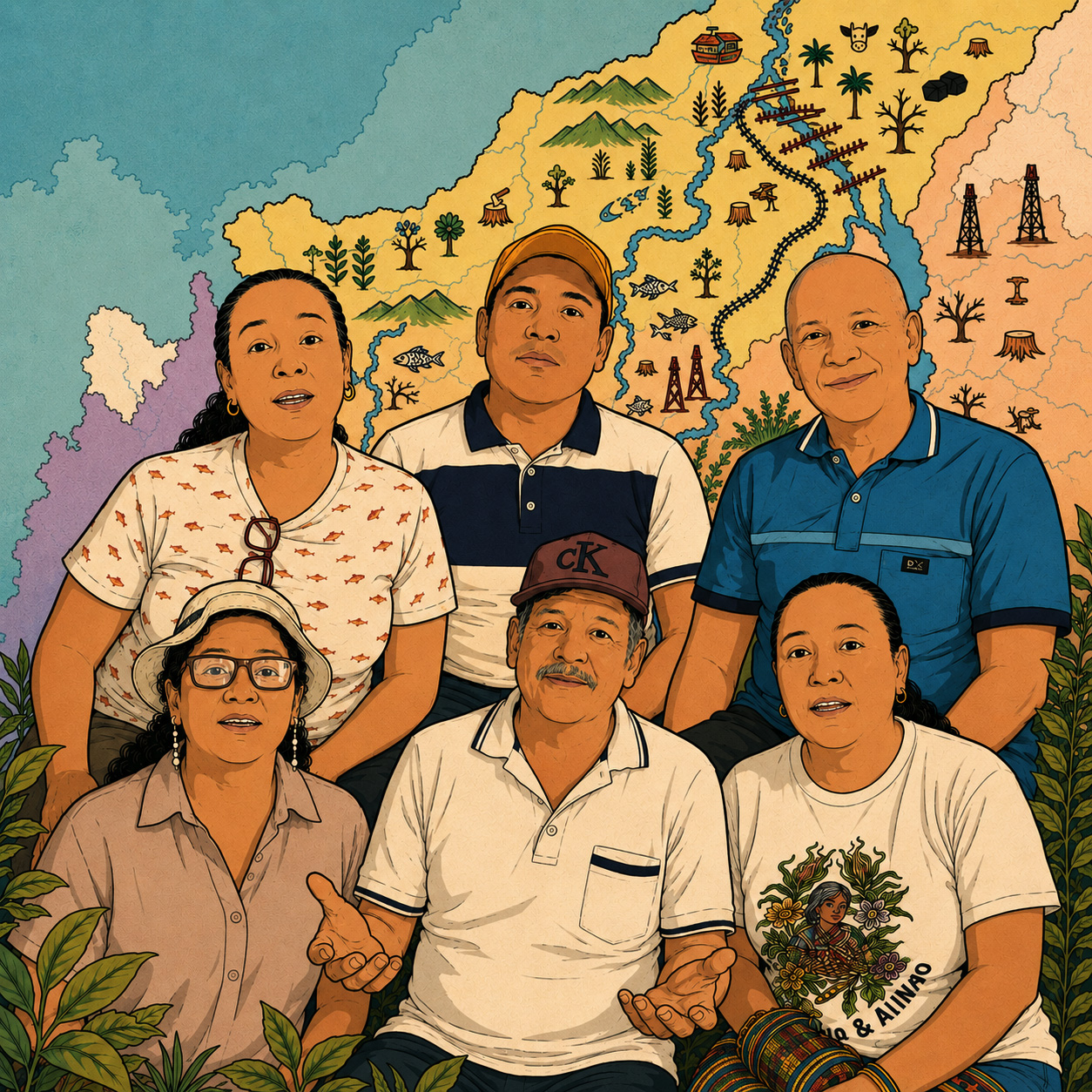
Voices of the River
Riverine leaders speak about the conflicts transforming their territories —dams, mining, sedimentation, and monocultures— and the possible futures they dream of: restoring fishing and wetlands, educating new generations, strengthening their organizations, and once again finding joy in the river.
About the process
This piece grew out of the social mapping exercise collectively developed by riverine leaders during the first TELab in Barrancabermeja. Initially, we intended to present the conflicts identified on the map, but interviews conducted during the second TELab, in Honda, broadened the question. The conversations also addressed community organizing, adaptations in fishing practices, new generations, and possible futures. The narrative thus shifted from mapping conflicts to bringing together the proposals and aspirations of those living through these transformations.
Sources and materials
- Social map collectively developed during the Barrancabermeja TELab.
- Interviews and testimonies from riverine leaders participating in the Honda TELab.
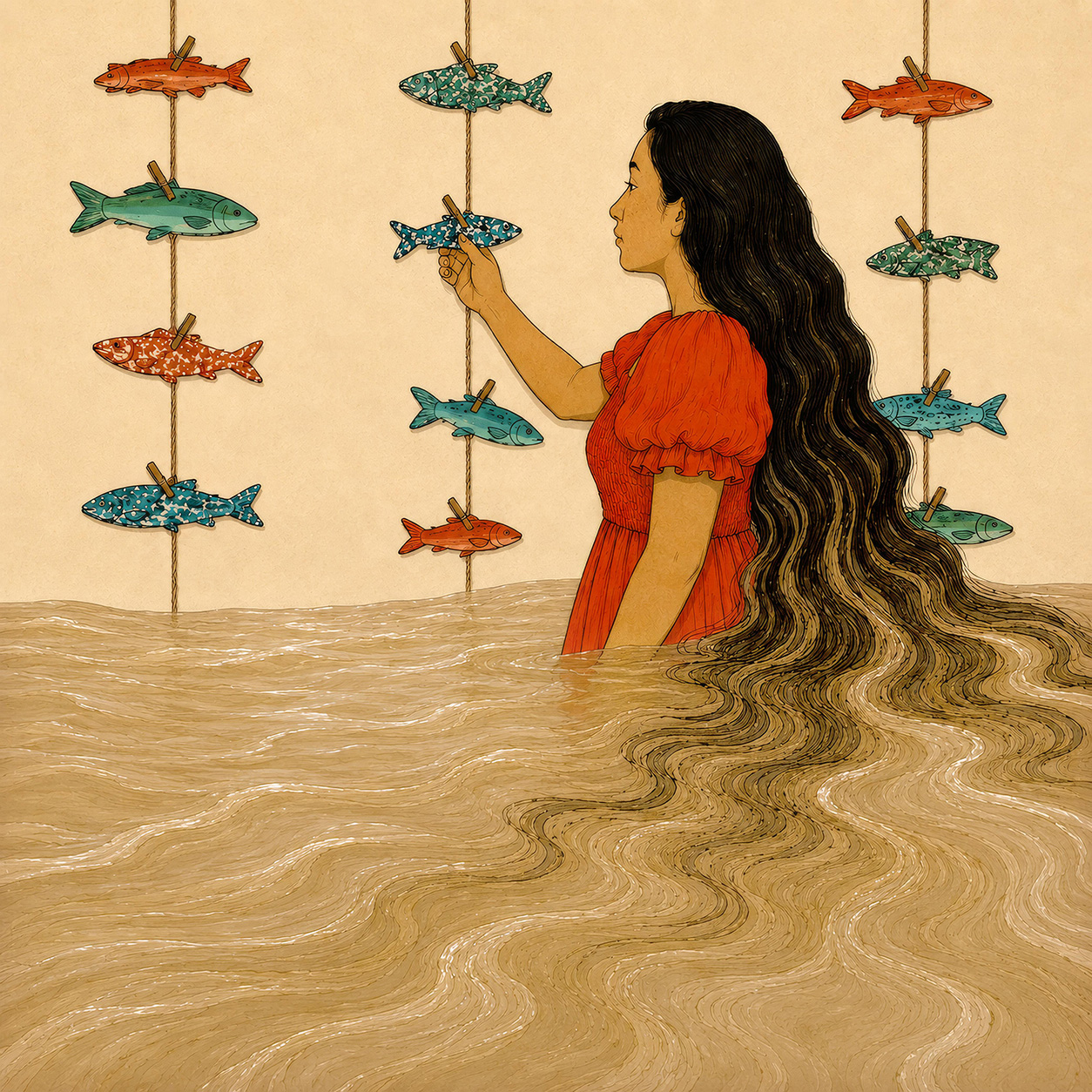
How can a way of life that seems to be on the verge of disappearing be kept alive? In this podcast, the daughters and sons of fishers take up the knowledge passed down by their elders, transform it, and prepare for a future in which artisanal fishing can endure. They are the “new ancestors” of the Magdalena River.
About the process
The expression “new ancestors” emerged during the first TELab, when Jully Mora used it to describe a generation that inherited knowledge from their elders but must also learn to live with a transformed river. The idea opened up conversations about learning, education, stigma, the continuity of fishing as a way of life, and its future. During the gathering in Honda, we interviewed riverine leaders to explore the term in greater depth. Later, we added the voices of daughters and sons of fishing leaders reflecting on the legacy they inherited from their families. The process showed that this inheritance is not taken up in a single way: different generations find their own ways to preserve it, transform it, and collectively assume responsibility for ensuring the continuity of artisanal fishing.
Sources and materials
- Conversations with Jully Mora, Juan Tercero, Carla Gil Acevedo, and Santiago Andrés Chico Santos.
- Article about the Barrancabermeja TELab.
- Article about the Honda TELab.



LandFoodWaterClimateInfrastructure & Energy
Contact
Tobias Krüger
Director
Email:
Rossella Alba, Prof.Dr.
Researcher
Laura Betancur Alarcon
Doctoral Researcher
Email: