The winners of the THESys Award 2021 have been chosen. Congratulations to Natalie Kiefer, Marie Pratzer, Robin Dach, Valentin Salein, Nina Fintzen, Julia Spahle and Hanna-Lea Schmid for their outstanding Bachelor and Master theses! With this prize, the IRI THESys annually honours talented students at Humboldt-Universität zu Berlin who have written a Bachelor’s or Master’s…
Join the Edible Cities Network for its 1st Annual Conference, held live online over two days, 16th & 17th February 2022. At a time when community and connection is more important than ever, everybody is invited for these two days of discussion, exchange and inspiration on urban food innovation, edible nature-based solutions (NBS) & sustainable…
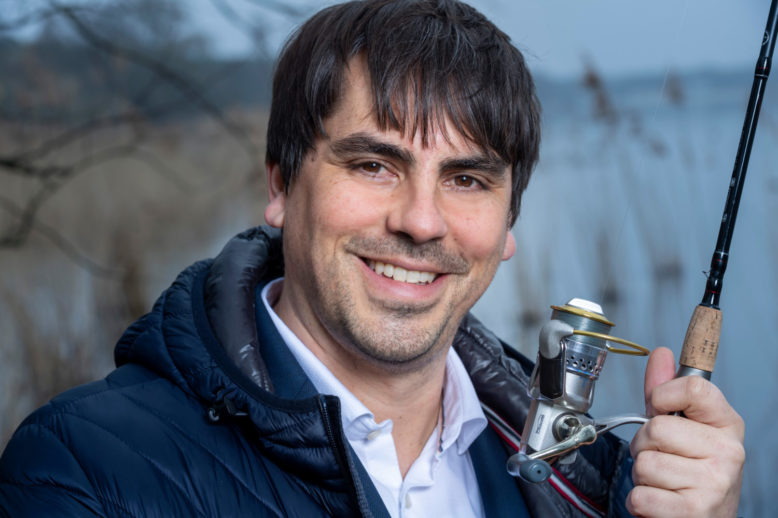
THESys Member Robert Arlinghaus explains in the podcast series “Forschergeist” why fishing has positive effects on ecosystems. Anglers as protectors of fish Around 3.3 million Germans fish regularly. But their passion is also seen controversially: doesn’t fishing endanger stocks and harm the environment? Robert Arlinghaus is one of the few researchers who look at angling…
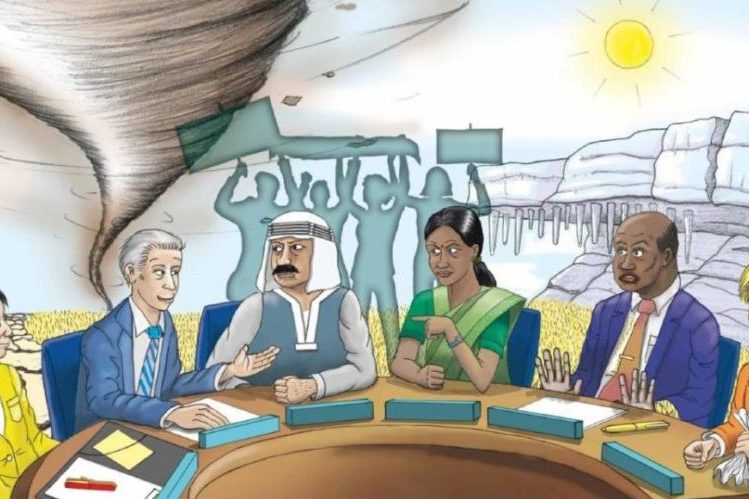
THESys Member Klaus Eisenack and his Resource Economics Group have launched a novel multilingual server for the mobile version of their Keep Cool climate game. Gaming as a way to communicate climate politics Keep Cool is a simulation game for communicating and teaching international climate politics, which can be played as board game and online…
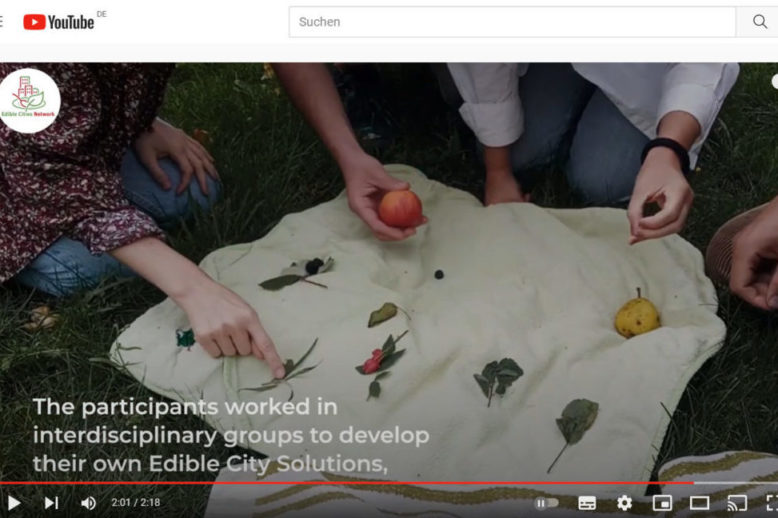
Sea buckthorn, apples, rose hips and sloe. This is what participants of last year’s “Edible City Solutions Summer School” discovered on a “Harvest Your City” foraging tour through Berlin. Now you can join them in a video on YouTube. Exploring sustainable urban food systems From September 20 to October 1, the EdiCitNet project team embarked on…
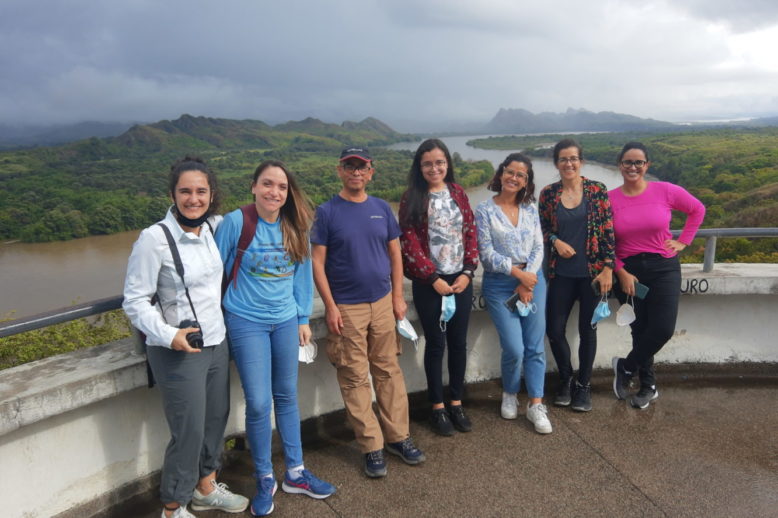
In November 2021, the ‘Water Security for Whom?’ project started its fieldwork activities in Colombia to explore the country’s hydro-social territories. Exploring Colombia’s Hydro-Social Territories During the three-week fieldwork, the researchers from the Pontificia Universidad Javeriana (Colombia) and the Universidade Federal de Minas Gerais (Brazil) traveled to Huila, Santander, and Córdoba, the three regions of the case…
The Postdoc Academy for Transformational Leadership, initiated by the Robert Bosch Stiftung and with its Coordinating Office at IRI THESys, is seeking 20 early career researchers with sustainability focus. Application deadline is 15 February (midnight, CET) 2022. The Postdoc Academy for Transformational Leadership is a unique European program that develops the next generation of leaders in sustainability research. It…
The latest KOSMOS-Lesung held on 25 November 2021 with legal scholar Ann-Katrin Kaufhold (LMU Munich) is now available on the IRI THESys YouTube channel. Law as the basis and limit of climate protection The evening, titled “Recht als Grundlage und Grenze von Klimaschutz. Die “Tragedy of the Horizons” und der intertemporale Freiheitsschutz”, was all about…
On the rbb Radioeins program Thursdays for Future, science reporter Julia Vismann interviewed Jörg Niewöhner about the first events planned by the project AnthropoScenes—a salon focused on the potential risks and uncertain futures of water in Berlin and Brandenburg. Throughout their conversation, Julia and Jörg explored how salons can help open the scientific process, draw…
Five IRI THESys members are among the top 1% of the most cited researchers worldwide. This was revealed in the latest list of “Highly Cited Researchers”, published by the US company “Clarivate Analytics” on 16 November 2021. The “who’s who” of influential researchers The annual list identifies some 6,600 researchers from across the globe who…
We use cookies to ensure that we give you the best experience on our website. If you continue to use this site we will assume that you agree with this.